By KEVIN McNAMARA
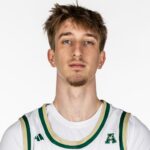
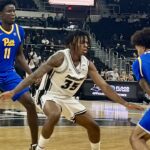
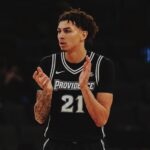
PROVIDENCE – With the opening of the season a little more than a week away, many college basketball players around the country are seeing victories in their court eligibility cases. But not Joe Pinion and Derek Simpson.
United States District Court Judge Melissa Dubose, who ironically is a Providence College graduate, issued a ruling Thursday denying the two men a motion for a temporary restraining order. Pinion and Simpson are looking to regain eligibility for a fifth season of college basketball in 2026-27. They both exhausted their four years at the end of last season but the NCAA instituted a new rule on August 1, 2026 that now allows current and future athletes to play five seasons over five consecutive years.
However, members of the 2022 high school class like Pinion and Simpson constituted a legal carve out under the NCAA’s rule. Many members of that class have sued the NCAA for a fifth season and have enjoyed legal success. Most recently, a case in California has granted an injunction that is allowing over 20 players to gain eligibility in the 2026-27 season. The NCAA is expected to appeal the ruling.
Providence’s Pinion and Simpson are now expected to file for injunctive relief as well. Their attorney, Marc DeSisto, has not responded to a request for an update on the case.
What’s becoming clear is that the NCAA is set to see a season tip off where there are some ‘5-for-5’ players eligible on one team and some denied for others. Any semblance of creating a balanced competitive field could be lost.
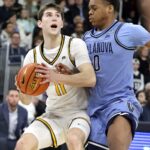
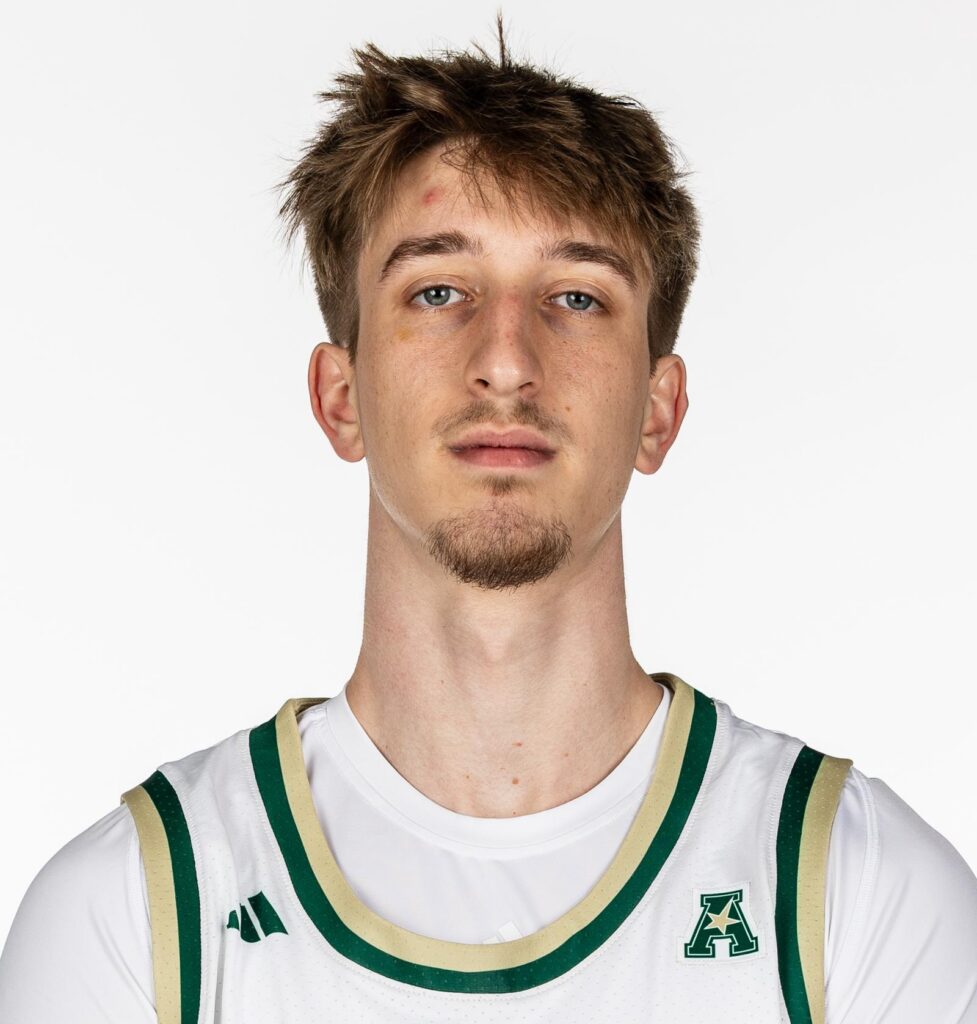
Pinion has enjoyed playing time at Arkansas, Arkansas State and South Florida and averaged over 14 points a game last season with over 100 three-pointers. He helped coach Bryan Hodgson and the USF Bulls win their conference and play in the NCAA Tournament. Simpson played two years at Rutgers and two years at Saint Joseph’s where he averaged 13.8 points and earned All-conference honors in the Atlantic 10.
In her response to the request for a TRO, Judge DuBose cited legal reasons to shoot down claims of antitrust violations and breach of contract.
“There are roles and rules of the game that are beautifully executed when all stakeholders (including players, coaches, athletic directors, officials, and others) maintain their respective lanes and adhere to the rules,” she wrote. “Without strict adherence to those lanes and regulations, chaos ensues. This unfortunately is the current state of play.”
“When determining eligibility – specifically, who may compete in NCAA Division I athletics and for how long – the NCAA occupies a distinct and critical role. The authority to establish and administer those eligibility rules rests with the NCAA, and the integrity of the system depends on respect for that authority.”
Dubose wrote that she believes Pinion and Simpson – and all athletes in the 2022 high school class now looking for a fifth season of eligibility – are members of a class of federal class action case known as Wisne vs. NCAA. That case is currently being appealed by the NCAA and if the complainants are ultimately successful, that ruling could supersede others around the country.
“The concern about inconsistent rulings is real,” Dubose wrote. “Take this as an example. If this Court denies Plaintiffs their requested relief and the Tenth Circuit subsequently vacates the stay and allows the district court injunction to stand, what happens? The Court is hard pressed to believe that the players, in that scenario, would not fervently argue that they are members of the Wisne class and eligible to suit up for the upcoming season despite this Court’s order to the contrary.”
Dubose wrote that the players’ complaint offers “no likelihood of success on the antitrust claim.”
As to breach of contract, she cites a recent Rhode Island Superior Court decision (Yriondo vs. NCAA) that concluded, “protecting student-athletes who would have been eligible under both the Four-Seasons-in-Five-Years and Five-Year Period of Eligibility is an appropriate and reasonable decision by the NCAA.”
“The Court agrees. Thus, given the record currently before this Court, the Plaintiffs are unlikely to succeed in demonstrating that the NCAA has breached the contract with respect to Simpson or Pinion or acted in any unreasonable manner when declining to retroactively allow the Rule to benefit them.”